
Are you starting to think more about making your home more efficient? BC is diving into cleaning up its carbon pollution and giving incentives in the form of rebates to homeowners that reduce their environmental impact. Making Energy Efficient Upgrades won’t just reduce your energy costs in your Nanaimo home, it will also turn it into a clean, efficient, and comfortable home. You will love the benefit of increased year-round home comfort. Your savings will go further when you make multiple Energy Efficient Upgrades and increase the efficiency of your home.
By upgrading your insulation you are doing a few things. In the winter you’re keeping the heat in and the cold out, which lets your heat source run more efficiently. During the summertime, you’re keeping the cool air inside your home and stopping the heat from coming into your home, maximizing your comfort. Upgrading your insulation can be quite intrusive to do behind your walls. However, doing your attic or crawlspace requires less intrusion. If you have spaces that have no insulation at all, then spray foam insulation is also an option and doesn’t require too much intrusion.
2. Upgrade your Windows
Replacing your old drafty windows with double-paned, sealed windows is a great way to isolate your home from the environment. Just like insulation, it’s going to help keep your house warm in the winter and cool in the summer. They also add a nice touch to the exterior look of your home and are a selling feature if you’re thinking of selling your home.
3. Replace your Weather Stripping
This is an easy task that can usually be done by yourself, and it’s relatively inexpensive. Weatherstripping is the foam or rubber material that really makes the seal around doors and windows. This stops drafts from coming into your home and pulling that heat outside. There’s nothing worse than creating a warm home only to have that slight draft sneak into your home and pull some of that warmth away from you.
4. Upgrade your Heating Source
This a quite a lengthy topic, but there are some basics that you should be aware of. Just knowing the options available for your home in Nanaimo is a great start. First, there are your inefficient heat sources, such as oil furnaces and electric baseboards. Oil furnaces are the opposite of the direction BC is taking, as they have a big impact on our carbon footprint. It’s is roughly 17x “dirtier” than natural gas. Electric baseboards are easy and cheap to install, but leave your home inefficient and costly to operate.
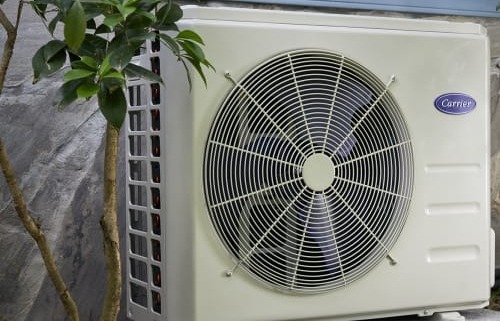
So what are your options? Right now in Nanaimo, natural gas is your cheapest and most comfortable option. On top of that, the industry is always improving technology. Plus, they’re almost always at least 92% efficient. On the other hand, BC has very clean electricity as most of it derives from hydro dams. That combined with the technology in heat pumps, you have another option for affordable, clean, comfortable heat. A benefit of heat pumps is that they also cool in the summertime, through the technology of a reversing valve. The debate between natural gas vs heat pumps is a “heated” one. There are many factors that affect it, such as the size of your home and what other upgrades you have done to improve it. Nonetheless, these two options are your best for home heating in Nanaimo.
5. Upgrade your Water Heater
Last but most definitely not least, you can upgrade the way to heat your water. The most common way Nanaimo homes are heating their water is with an electric tank. This method may be common, but not efficient. Other homes may be heating their water by a gas water heating with an atmospheric vent. Even though it’s heated by natural gas it’s still not that efficient. Thankfully, the experts have created a beautiful thing- the Tankless water heater. This machine is incredible. It heats the water instantly through 2 heat exchanges using natural gas and doesn’t store any water. These units are over 90% efficient and cost only dollars a month to operate. To read more about the, Click Here.
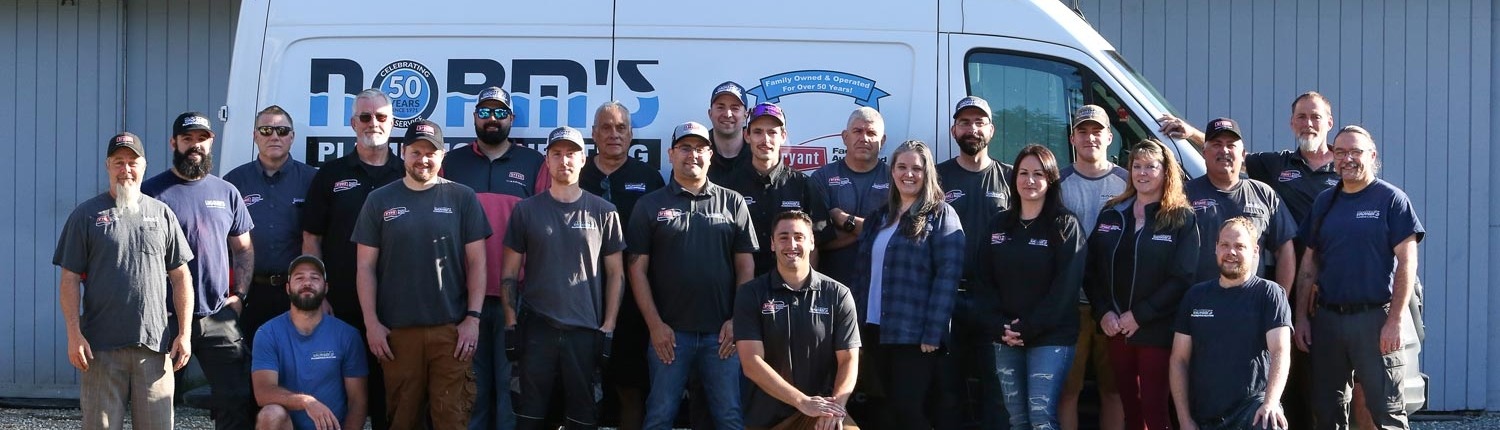
Now that you know more about increasing the efficiency in your Nanaimo home, you can cost-effectively move with BC in their decision to create a cleaner province. Almost all of these energy-efficient upgrades do require professional installation, so ensure you hire the right contractor. At Norm’s Plumbing and Heating, we can assist you with upgrading your home heating and water heating. We have been serving Nanaimo and are for 52 years, and have the largest residential service crew in Nanaimo. We’re always ready to serve this great city. We are also a 3rd generation family-owned and operated company! For more information on us, read about our history here.
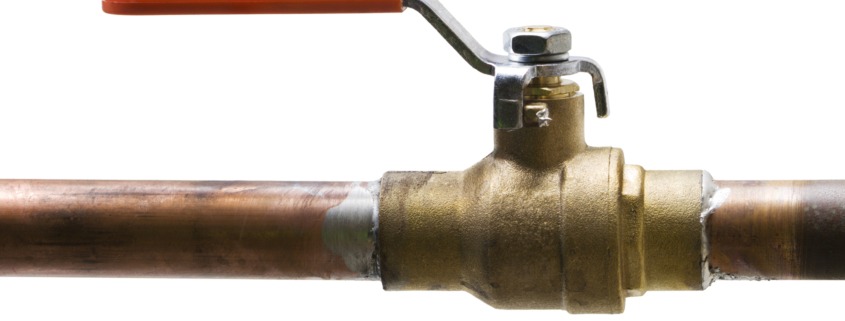
Coming into your home is about 100 PSI of water. Without a valve placed on that line, there would be no stopping that pressure and volume of water should there be a leak. You might know where you valve is and how to operate it, but some people don’t. The purpose of this blog is to educate our customers and explain the risks of not knowing where it is, and also the benefits of knowing where it is.
Another situation is you have a water leak, you go to your main water shut off; subside the issue until your plumber comes to fix it. The potentially huge water damage is minimized to a small drywall repair and a small plumbing bill.
2. Easy for plumbing upgrades: If you have a plumber at your house, it’s a huge relief for us when we don’t have to go searching throughout your house to find your shut off.
You’re main water valve usually located on the ground floor or in you’re basement, or near you’re hot water tank. It will also be beside your homes Pressure Reducing Valve, which reduces down the city pressure of up to 150psi down to about 70psi.
Even though you have a main water shut off, and you know where it is, doesn’t mean it works! We come into a lot of situations where these valves actually wear out and don’t work.
This type of valve isn’t as common as valves replaced in residential homes today. This is the valve more commonly found in your home if it hasn’t been replaced yet. It’s harder to turn, and commonly fails after a long time.

2. Ball Valve
This valve is the most common valve that replaces straight stop valves. It is more effective, easier to use, and less likely to wear out and fail. The reason we use this valve for the main water sut off valve is because it wont stick and its so easy to turn off in the case of an emergency.

I hope you found this blog educating and valuable, as knowing where your main water shut off is can save you thousands of dollars. If you need help locating your main water shut off, or want a 1hr home evaluation on your plumbing and heating systems, give your local experts a call!
Norms plumbing and heating is a family owned and operated company. We have been operating in Nanaimo since 1971 and are Nanaimo’s largest residential plumbing and heating service crew.
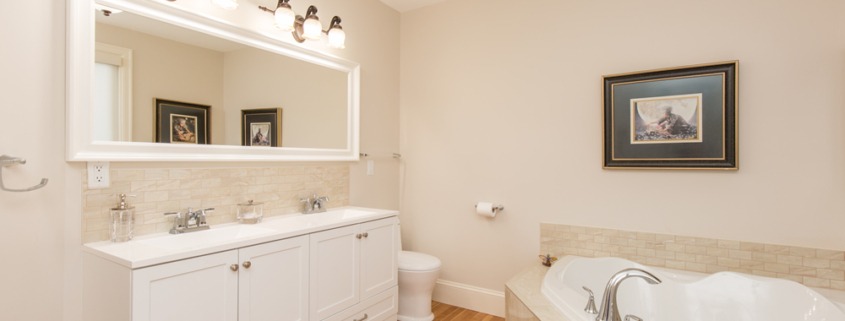
There have been lots of companies offering bathroom renovations in Nanaimo lately, and sometimes we have to shake our heads on the process on how they convert you into a new tub or shower. Just to clarify somethings, we have a lot of experience in bath and shower renovations and work closely with contractors, landlords, renters, and property managers; we know a thing or two when it comes to your Nanaimo bathroom renovation.
There are some companies that won’t remove your existing tub, however, will place a new one over it, making it look pretty. While this is less messy, it’s also a good way to cause more issues. By doing that, they’re simply putting a band-aid over your tub and leaving old pipes, valves, drainage, and maybe even rotten boards underneath your tub.
As a professional in the trade, this is the correct way to reno your bathroom. Leaving your customer with an old problem causing pipes and drainage is not good practice.
The professionals at Norm’s Plumbing and Heating will completely remove your old tub. We will ensure the floor underneath is strong and not rotten, as well as no mold behind the walls. We’ll also install a new shower valve, shower head, and waste and overflow for your drainage. We guarantee our work; we often complete the job in a day, and work with you to ensure your happy and completely satisfied with the work – without just covering up the problem.
If your interested in renovating your bathroom, or have any other plumbing, heating, or air conditioning projects, feel free to call us for a free quote.
Norm’s Plumbing and Heating
We often get calls from customers sincerely curious about the proper function their homes plumbing systems. Most of the time the homeowner can do a general check of their system on their own. But what does this check look like? It’s as easy of looking as looking at pipes, but can involve a tiny bit of hands on too.
One of the most important things to check in your home is the main water shut off. This is usually located in a basement, or near the hot water tank. Once located, shut it off and ensure it actually works. Once shut off, just turn on a tap and see if water continues to come out. If it works, great! Next step is to label it and make sure your whole family knows where it is. Knowing where your main water shut off is and ensuring it works can be the difference between a small leak and a flooded house.
If it doesn’t work, please call us to have it replaced immediately.
2. Hot Water Tank
Another part of your homes plumbing system that should be checked is your hot water tank. You should be checking for signs of leaking. The signs of a leaking tank are water underneath it or rusting drips coming out of the panels or seams. A leaking tank should be replaced sooner rather than later. It’s one of those things that if you don’t do it now, it’s only going to cause more damage left alone. Also, nobody likes to be left without hot water. For peace of mind, you should also check the age of your tank. Depending on the tank, they usually last 8-10 years. Most tanks come with a date embedded in a code on the rating plate. Most of the time you can google the brand on the model/serial number. If you aren’t able to decode it yourself, feel free to call us.
3. Drains
Checking drains is more of a preventative measure. It’s less of an emergency, but still, good practice to maintain your home. What you can do is visually inspect under your kitchen sink and also your bathroom sinks. If you notice water underneath then you should have us come and fix your drains. You can also check their function by plugging the drain, filling up your sink, tub, then pulling the plug and watching how fast/slow they drain. A very slowly draining basin can indicate a plug downstream. You can keep a note of it or get your drains cleaned by us. We do not recommend using chemical cleaners as they can deteriorate your pipes.
4. Valves
An important one to check every month or so are your valves. These include the valves on your supply lines leading to your sinks and toilet. They will most likely be small chrome valves, and what you’re checking for is simply water underneath them. These should be changed as quickly as possible since behind these valves are full pressure from your main valve – lets hope that’s working.
If you are unsure about any of the topics mentioned above, please don’t hesitate to call us. We’re always happy to assist you over the phone, or if need be we can come to check your home’s plumbing for you. We hope you learned something new, and maybe we helped you prevent a future disaster.
Norm’s Plumbing and Heating is a family owned and operated company since 1971. We’re staffed with 9 journeyman Plumber/Gasfitters and can make it to your house the day of your call on most occasions.
With housing costs on the rise and no show of slowing down dramatically, more and more families are renting suites out. Converting old basements into functional liveable spaces is a great way to help pay for the mortgage. Some people specifically look for houses that already have those areas built just so they can rent them out. This blog is focused to help you-the homeowner- heat your suite efficiently, and economically, for you and the renter.
Natural gas- it’s affordable and effective. Natural gas might just be your headache reliever when it comes to heating your home and billing your renter. Have you ever had trouble calculating how much you’ve used VS how much your renter used? Or do you split it 50/50 even though there is a chance they’ve used a lot more than you have?
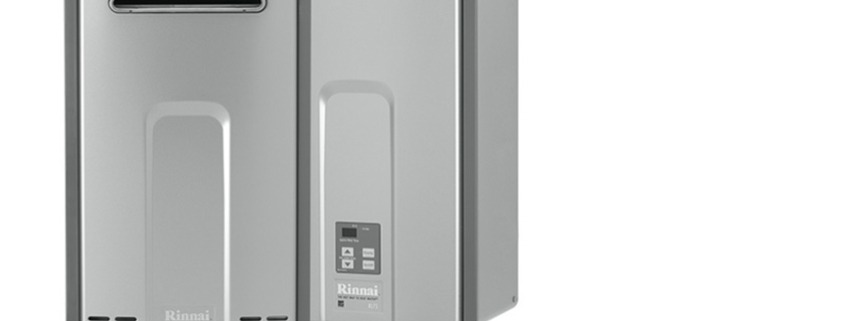
We’ve found that the easiest and best way to heat your basement suite is through a secondary gas meter serving only the suite. The heating appliance you will want to use is a Rinnai Direct Vent Wall Furnace. The combination of the Rinnai Wall furnace and a secondary isolated gas meter is the best way to save you money by not paying for the renters’ heat. This also benefits the renter because they are receiving consistent, comfortable heat from the industry leader Rinnai. It’s a win/win.
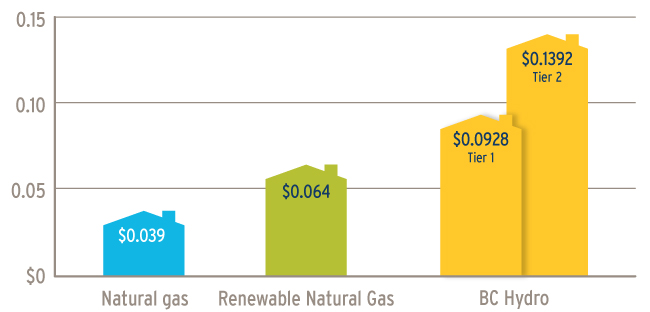
Not convinced natural gas is the way to go? The graph below shows the up-to-date price of natural gas compared to Electricity.
So what is a Rinnai Direct Wall Furnace?
See the picture below for an image on one installed:
The experts at Norm’s are ACE Rinnai installers, meaning we have the proper training and education involved in installing their products.
Call us today for more information on Rinnai, FortisBC, or other plumbing and heating inquiries.
Find information on your own at https://www.rinnai.us/gas-home-heating/direct-vent-furnaces
Norm’s Plumbing and Heating is a family-owned and operated company. We have been serving Nanaimo for over 52 years and are 100% independent. We have the latest knowledge on innovative products, rebates, and installation methods. We’re the experts you can trust.
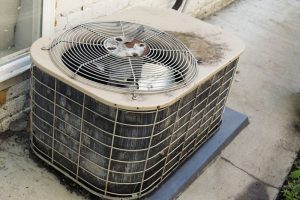
During the cold months, your furnace is your best friend, but that doesn’t mean you should neglect it during the rest of the year. The purpose of this blog is for customers to better understand why their furnace isn’t working properly, or at all. Its also to educate homeowners and can also provide good information so you can understand what the technician is talking about when we come to fix your furnace.
Since oil is still prevalent on Vancouver Island, I’ll cover those furnaces. Since most homeowners are either on gas or switching to, when possible, ill cover that as well.
Essentially, a properly running furnace is because it has a service done annually. Obviously they are more complicated then what is above, but I’ve outlined the most common issues and the issues you can even manage yourself.
Of course, other parts of your oil furnace can fail, but these are the most common reasons why your oil furnace isn’t working.
The moral of the story is this: An annual furnace service will save you time, money, hassle, and cold winter nights.
We recommend you service your furnace at least once a year, preferably in September so you beat the cold. Here at Norms plumbing and Heating, we have 4+ gas specialists and 2+ oil specialists ready to serve you. If you are experiencing no heat, dot hesitate to call us. We make no heat call a priority, because comfort and warmth is essential for our client satisfaction.
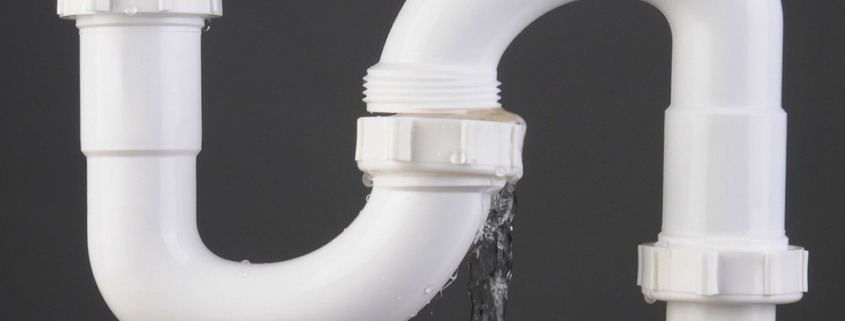 Bob Vila
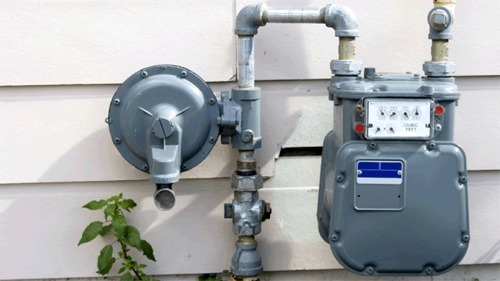 washington gas
 https://www.jobheating.com/2017/11/23/saskatoon-home-comfort-systems-financing-from-job-heating-and-air/emergency-images-furnace-broken-2/